
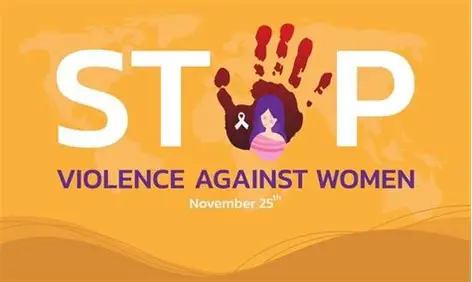
Advocacy Statement On Violence Against Women
 John Oheneba-Acquah
INTRODUCTION
Caritas Ghana affirms the inherent dignity of every woman and girls, created in the image and likeness of God. Consistent with Catholic Social Teaching, we denounce all forms of violence against women, including physical, sexual, emotional, psychological, spiritual, and economic abuse as grave sins, human rights violations, and moral failures that undermine the common good.
Across Ghana, women and girls continue to experience harmful practices, domestic violence, exploitation, trafficking, digital abuse, and systemic inequalities. These realities contradict the Gospel of life, the vision of justice and peace upheld by the Church, and the constitutional rights of all Ghanaians.
Caritas Ghana stands in solidarity with survivors and commits to contributing to transforming the structures, norms, and conditions that perpetuate violence against women.
CATHOLIC SOCIAL TEACHING ON VIOLENCE AGAINST WOMEN
Catholic Social Teaching makes our position unequivocal:
-Human Dignity: Every woman, regardless of age, ethnicity, disability, social status, or economic condition, is a sacred gift of God. Violence against women desecrates this divine dignity.
–Rights and Responsibilities: Women have the right to safety, protection, bodily integrity, participation, and justice. Families, communities, parishes, state institutions, and the Church share responsibility for upholding these rights.
-Family and Community: Violence within homes and relationships contradicts the Christian vocation of love, unity, and mutual respect. No cultural, traditional, or religious argument can justify abuse.
-Preferential Option for the Vulnerable: Survivors of violence, especially those who are poor, displaced, trafficked, or marginalized, deserve priority attention, protection, and empowerment.
-Solidarity: The Church is called to walk with survivors, challenge systems of oppression, and advocate for justice without fear.
KEY CHALLENGES IN GHANA
Caritas Ghana identifies the following pressing challenges:
-Rising cases of domestic violence and intimate partner abuse (IPA)
-High rates of child marriage, forced marriage, and exploitation
-Increasing sexual and gender-based violence (SGBV) in humanitarian and conflict-affected settings
–Economic violence that restricts women’s livelihood and independence
-Limited access to justice, reporting mechanisms, and survivor services
-Cultural norms that silence women and protect perpetrators
-Insufficient coordination among state and non-state actors
These challenges threaten national stability, family wellbeing, and community cohesion.

CARITAS GHANA’S ADVOCACY POSITION
Caritas Ghana commits to a national movement against violence, grounded in Church teachings, humanitarian principles, and the Ghana Catholic Bishop’s Conference (GCBC) mandate.
We assert that:
–Violence against women is morally unacceptable and must be rejected without compromise.
-Survivors must have access to confidential, safe, and survivor-centred support services.
-Government agencies must strengthen justice systems, shelters, health services, police response, and social welfare capacity.
-Men and boys must be engaged as allies and advocates.
-The Church will play its role in educating the faithful and public through its structures and institutions.
